
Cost of Living in Gilbert AZ: 2026 Market Snapshot
Gilbert has grown rapidly from its agricultural roots into a major economic hub within the Phoenix metro area. Relocating here requires a clear understanding of regional expenses, as the local market has shifted significantly over the past few years.
Navigating the cost of living in Gilbert AZ means looking beyond just the sticker price of real estate. Buyers and renters need to account for specific desert climate utilities, transportation logistics, and regional tax structures to build an accurate monthly budget.
Analyzing these figures provides a realistic picture of what a household needs to earn to live comfortably in the East Valley. By breaking down the major expense categories, you can make an informed decision about relocating to this part of Arizona.
Understanding the balance between property values and daily basic expenses is essential for a successful relocation. Whether you are a first-time homebuyer or an experienced homeowner, mapping out these costs prevents financial surprises.
Housing Costs in Gilbert
Real estate remains the primary driver of the overall cost of living index in this part of Maricopa County. Housing costs here sit noticeably higher than the national average, reflecting sustained demand for property across the East Valley. Buyers need to prepare for a competitive environment where baseline prices have stabilized at a higher tier.
Buyers entering the current 2026 market will generally find a median single-family home price ranging from approximately $575,000 to $650,000. While the upfront purchase prices require a solid down payment, Arizona features relatively low property tax rates. This favorable tax structure helps offset the initial sticker shock when calculating a total monthly mortgage payment.
The property taxes in Maricopa County are assessed differently than in many other states, often resulting in a lower annual burden. This structural advantage means a larger portion of your monthly housing budget can go directly toward principal and interest. Relocators coming from high-tax regions often find this regional difference significantly improves their purchasing power.
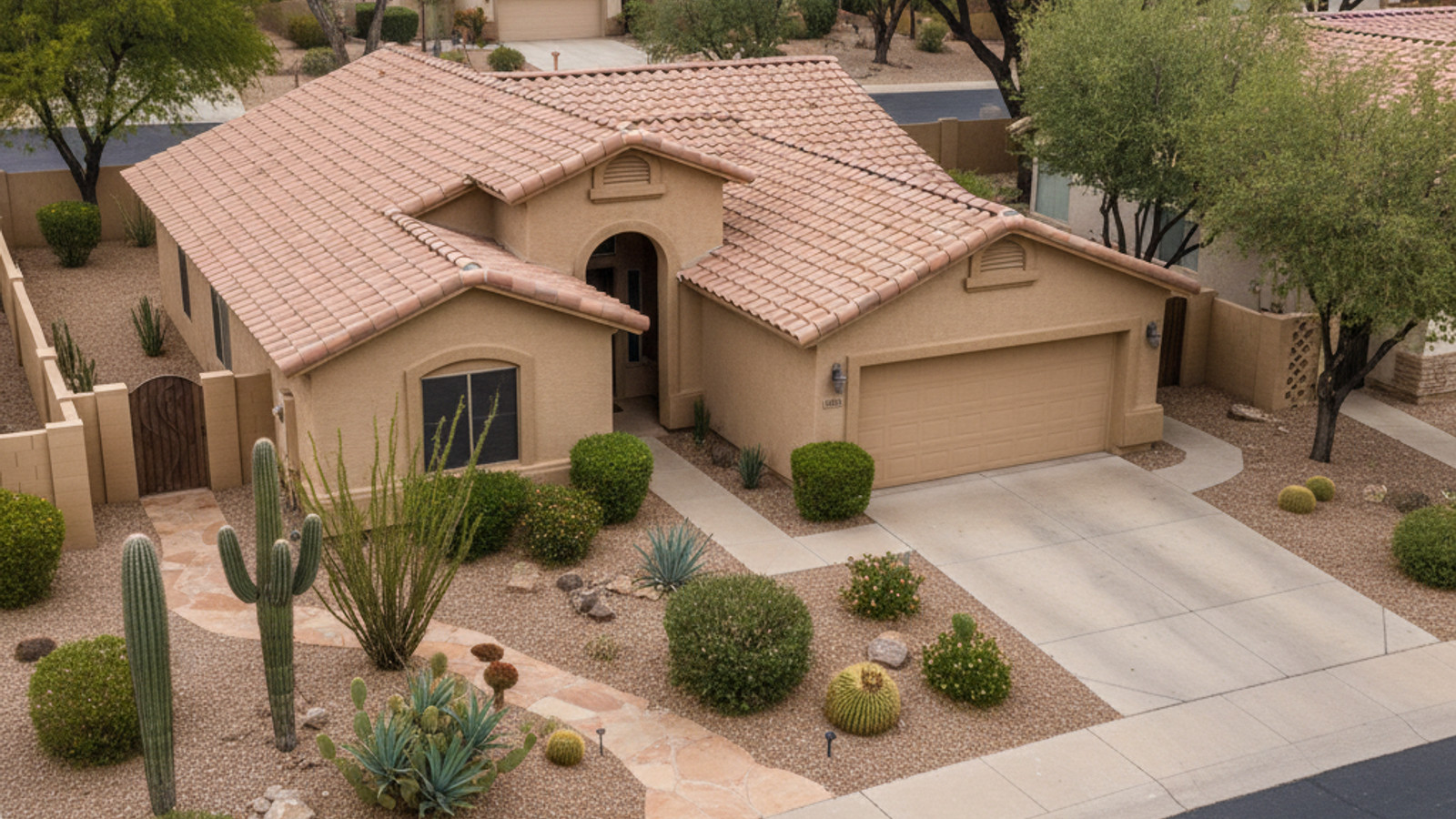
The architectural style in the area also influences long-term maintenance budgets. Most properties feature stucco exteriors and concrete tile roofs designed to withstand the intense desert sun. Budgeting for exterior repainting and roof underlayment replacement is a necessary part of long-term homeownership here.
Median Single-Family Home Prices and HOA Fees
The local housing inventory consists heavily of single-family homes situated within master-planned communities. These planned neighborhoods often feature shared infrastructure, meaning most buyers will need to factor homeowners association dues into their monthly budget.
Typical master-planned community HOA fees range from approximately $100 to $400 per month, depending heavily on the scope of the amenities. For standard single-family neighborhoods without private club facilities, the median HOA fee hovers around $110 per month. These monthly assessments usually cover common area landscaping, community pools, and general neighborhood maintenance.
Lenders will factor these association dues into your debt-to-income ratio when you apply for a mortgage. It is crucial to review the HOA documents early in the buying process to avoid unexpected financial obligations. High monthly dues in luxury communities can drastically reduce the maximum loan amount you qualify to borrow.
Buyers should also note that some communities charge a one-time capital contribution fee at closing. This transfer fee is typically equivalent to a few months of HOA dues and goes directly into the community reserve fund. Factoring this into your closing costs ensures a smoother transaction at the title company.
Average Apartment Rental Rates
For those not quite ready to purchase, the local rental market offers a diverse mix of multifamily complexes and standalone properties. Renting a standard apartment provides a more predictable monthly expense category compared to maintaining a single-family home.
The average apartment rent in Gilbert currently falls between $1,570 and $1,760 per month. Renters looking for more space will find that single-family house rentals average around $2,400 per month. Keep in mind that lease terms and community amenities will directly impact these monthly rent prices.
Many modern multifamily developments in the area feature resort-style pools, fitness centers, and pet-washing stations. While these built-in amenities elevate the monthly rent, they can eliminate the need for separate gym memberships or club fees. Signing a longer lease term often secures a more favorable monthly rate than month-to-month agreements.
Renter insurance is another mandatory expense category for most apartment communities in the area. Policies are generally affordable, adding only a minor increase to your overall monthly rent burden. Securing this coverage protects your personal belongings and fulfills standard lease requirements.
Everyday Living Expenses Compared to the National Average
Beyond housing, daily basic expenses play a crucial role in determining true affordability for new residents. The overall cost to live in this area is roughly 10% to 15% higher than the national average. This premium is largely tied to the cost of real estate, rather than the price of everyday goods.
Fortunately, standard categories like food and groceries at local supermarkets track much closer to national baselines. A typical weekly grocery run at regional chains will cost roughly the same as it does in most major suburban markets across the country. This stability helps balance the budget for households managing higher housing costs.
Out-of-pocket healthcare costs and typical doctor visits also align closely with what most Americans pay nationwide. Routine dental cleanings, urgent care visits, and prescription medications do not carry a geographic premium in the East Valley. Having predictable healthcare expenses makes long-term financial planning much simpler.
Entertainment and dining out also factor into the overall cost of living. Spending an evening in the downtown Heritage District offers a range of culinary options from casual dining to upscale restaurants. Prices at these local establishments are comparable to other affluent suburban dining districts across the country.
Tackling Summer Cooling Costs
The base cost of utilities shifts dramatically when you factor in the extreme weather of the Sonoran Desert. The desert climate drastically increases electricity usage from June through August as air conditioning units run constantly.
Average year-round electric bills sit around $215 per month for a typical property. However, summer cooling requirements easily push July and August bills to anywhere from $270 to $330 or higher, depending on the square footage of the home.
Routine maintenance of HVAC systems is a non-negotiable expense in Arizona. Paying for bi-annual servicing ensures your unit runs efficiently and prevents costly emergency repairs during the hottest months. Budgeting for this preventative maintenance is a standard practice for local homeowners.
Homeowners can successfully mitigate these seasonal utility spikes through objective property upgrades. Common energy-saving investments include:
Installing solar panels to offset peak daytime usage rates.
Upgrading to smart thermostats to optimize cooling schedules.
Adding heavy-duty sunscreens to south-facing windows.
Improving attic insulation to trap cooled air inside the living space.
Transportation Costs and Commuting to Phoenix
The sprawling nature of the Phoenix metro area makes reliance on personal vehicles a necessity for most residents. Public transit options are limited, meaning transportation expenses will largely revolve around car ownership, fuel, and insurance.
Commuters traveling to downtown Phoenix frequently utilize the US-60 and the Loop 202 freeway. These commutes generally take 30 to 45 minutes, depending heavily on peak morning and evening traffic patterns.
Buyers relocating from states with extensive public transportation must budget for typical Arizona vehicle expenses. Average gas prices fluctuate but generally hover slightly above the national average due to regional fuel blending requirements.
Vehicle registration fees in Arizona are calculated based on the assessed value of the car, rather than a flat rate. This means registering a brand-new vehicle will cost significantly more than registering an older model. Auto insurance premiums in Maricopa County also tend to reflect the high volume of daily commuters on the regional freeways.
For business travelers, proximity to Phoenix Sky Harbor International Airport adds a layer of convenience. The drive from the East Valley to the airport typically takes about 30 minutes outside of rush hour. Budgeting for rideshare services or long-term airport parking is a practical consideration for frequent flyers.
Community Features Relevant to Living Expenses
Access to local infrastructure often helps offset certain lifestyle expenses. The area is served by the Gilbert Public Schools district, providing robust educational facilities without requiring private tuition.
Municipal amenities like Freestone Park offer extensive recreation options, including sports courts and multi-use trails. Utilizing these public spaces allows residents to stay active without paying high private club memberships or facility fees.
Healthcare access is highly centralized, with major medical facilities such as Banner Gateway Medical Center located within the municipal boundaries. Having specialized care nearby reduces travel time and associated costs for routine or emergency medical visits.
The presence of large retail hubs, such as SanTan Village, means residents do not need to drive far for shopping or dining. Keeping commerce local reduces fuel consumption and supports the regional tax base. This dense concentration of commercial amenities adds significant convenience to daily life.
Frequently Asked Questions
Is Gilbert AZ expensive to live in?
The overall cost is approximately 10% to 15% higher than the national average, largely driven by housing prices. While daily expenses like groceries and healthcare are near standard baselines, the median home price of $575,000 to $650,000 elevates the general cost of living.
What is a good salary in Gilbert, AZ?
A median household income of around $115,000 to $125,000 provides a comfortable baseline for purchasing a typical single-family home. This salary range allows residents to manage a monthly mortgage while absorbing higher summer utility bills and standard transportation expenses.
How do property taxes in Gilbert compare to other states?
Maricopa County features relatively low property tax rates compared to states like TX, IL, or NJ. This lower tax burden helps offset the higher upfront purchase prices, making monthly homeownership costs more manageable for out-of-state transplants.