How Much Is Your Home Worth?

Contact
ReMax Fine Properties
License #: SA550891000
License #: 268528
355 E Germann Rd #130, Gilbert AZ 85297
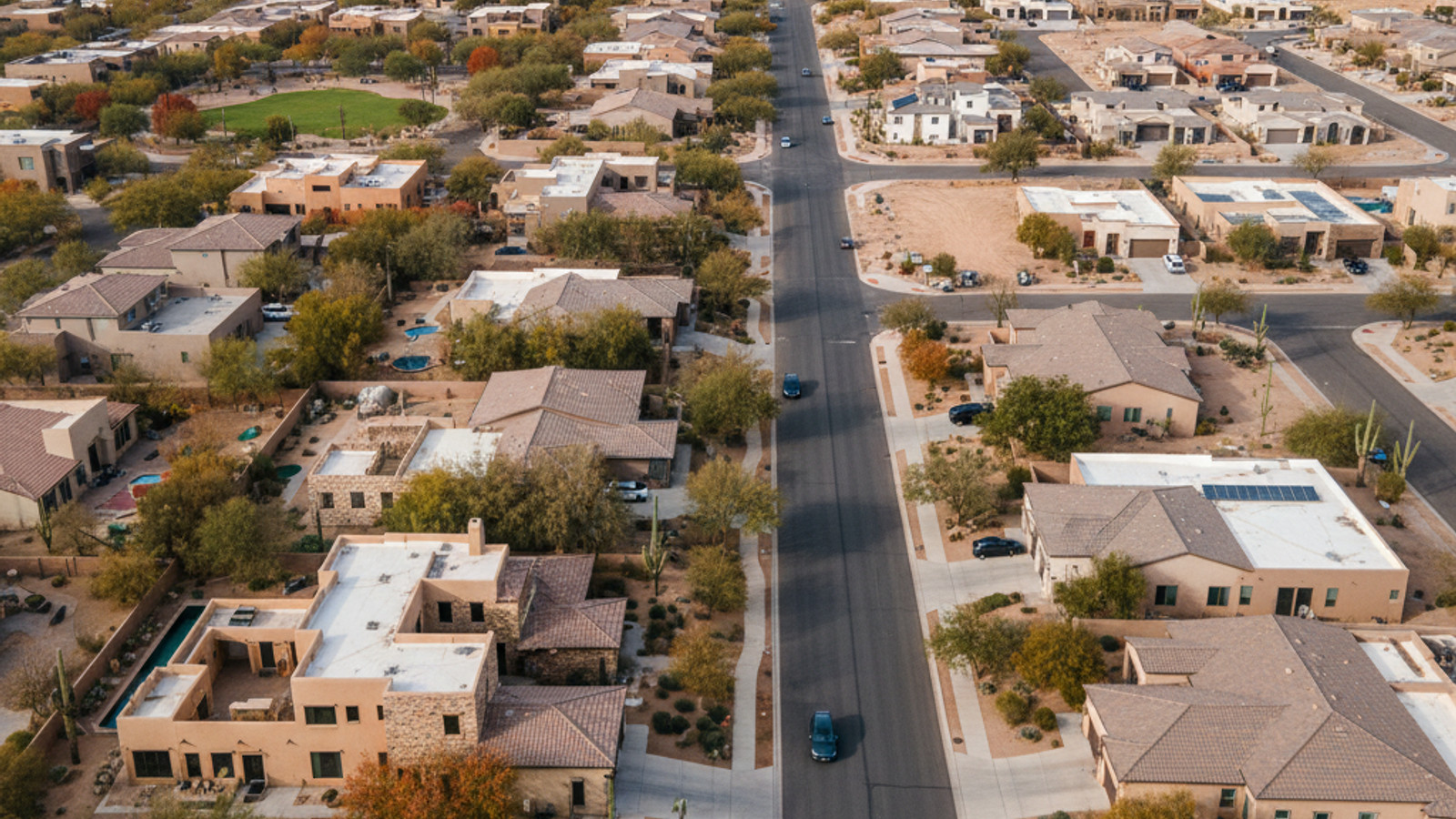
Commute Times from Gilbert AZ: 2026 Traffic Insights
Relocating to the East Valley requires a clear understanding of daily travel logistics. Buyers evaluating property in Gilbert often prioritize proximity to major employment centers across the Phoenix metropolitan area.
Knowing the exact commute times from Gilbert AZ helps narrow down neighborhood choices and balance housing costs with daily travel convenience. With steady infrastructure updates carrying into 2026, navigating the local freeway system has evolved for daily drivers.
Whether heading to downtown financial districts or nearby tech corridors, travel durations vary significantly based on departure times and exact routes. This guide breaks down realistic drive times and transit options to help buyers make informed real estate decisions.
Navigating Commute Times From Gilbert to Major Hubs
Gilbert occupies a central location within the East Valley, providing direct access to several major business districts. Most daily travelers rely on personal vehicles, though structured carpools and express transit routes play a supporting role.
The average commute time for a local resident hovers around 27 minutes. This duration aligns closely with suburban norms across the broader Phoenix metropolitan area.
Commuting efficiency heavily depends on proximity to freeway on-ramps and the specific time of day. Understanding these baseline averages helps buyers set realistic expectations for their daily routines.
Drive Times to Downtown Phoenix
The distance to central Phoenix is roughly 22 miles, primarily utilizing US 60 West to I-10 West. During off-peak hours, this trip typically requires 25 to 30 minutes of drive time.
Morning and evening rush hours change the landscape entirely. Standard drive times increase to 40 to 55 minutes when navigating peak congestion.
Commuters with access to High Occupancy Vehicle lanes can often bypass the heaviest bottlenecks. Utilizing these carpool lanes reduces peak travel durations by roughly 10 to 15 percent.
Commuting to Scottsdale and Tempe
Driving to South Scottsdale or Tempe usually involves taking Loop 101 North. Trips to Tempe average 15 to 25 minutes depending on exact departure locations within Gilbert.
Reaching major employers in North Scottsdale requires a longer journey up the freeway corridor. These trips can take 35 to 50 minutes during peak morning congestion.
Short Commutes to Chandler and the East Valley Tech Corridor
Chandler borders Gilbert directly to the west, creating highly efficient travel routes for local workers. Commutes to the Price Road Tech Corridor often run as short as 10 to 15 minutes.
Travel to nearby Mesa is largely handled via surface streets like Gilbert Road or Baseline Road. Avoiding freeway bottlenecks entirely keeps daily travel times well below the national average.
Major Highways Connecting the East Valley
The local transportation grid relies on a network of high-capacity freeways. These major arteries dictate how quickly residents can navigate the Phoenix metropolitan area.
Proximity to these routes is a primary driver of real estate demand. Buyers should map their potential daily routes against these three primary corridors:
US 60 (Superstition Freeway) forms the northern border of Gilbert, providing the most direct east-west route toward Phoenix.
Loop 202 (Santan Freeway) runs through the southern portion of the city, connecting travelers to Chandler and the broader metro.
Loop 101 (Price Freeway) sits just west of the city limits, acting as the main north-south corridor into Scottsdale.
Securing a home near one of these interchanges drastically reduces surface street driving. This easy access is a crucial factor for buyers prioritizing convenience.
Public Transportation and Valley Metro Options
Regional public transit provides an alternative for those who prefer to avoid freeway driving. Valley Metro operates several local bus routes through the area, including main lines along Gilbert Road and Williams Field Road.
The Route 531 Mesa/Gilbert Express bus is a valuable resource for downtown workers. This route departs directly from the Heritage District Park-and-Ride and heads straight into central Phoenix.
Light rail infrastructure requires a short drive to access. Commuters typically drive 10 to 15 minutes to reach the nearest Park-and-Ride stations located in neighboring Mesa.
Travel Times to Phoenix Area Airports
Frequent flyers must factor airport accessibility into their housing search. The region is serviced by two main hubs, each offering vastly different travel experiences.
Phoenix Sky Harbor International Airport is located roughly 18 miles from central Gilbert. Off-peak drives via US 60 to I-10 take 20 to 25 minutes.
Rush hour trips to Sky Harbor require much more planning. Travelers should budget 35 to 45 minutes to ensure they reach their terminals on time during peak congestion.
Phoenix-Mesa Gateway Airport offers a highly accessible alternative for southern Gilbert residents. Reaching this regional hub often takes 15 minutes or less via Loop 202.
How Commute Times Impact Gilbert Property Values
Real estate pricing in the East Valley correlates strongly with freeway accessibility. Homes located within a two-mile radius of US 60 or Loop 202 interchanges typically see sustained buyer demand.
Northern subdivisions offer faster access to central Phoenix and Scottsdale. This geographic advantage historically pushes median list prices higher compared to neighborhoods located deep in the southern sections of the city.
A home priced at $650,000 in the north might offer the same square footage as a $600,000 property further south. Buyers evaluating affordability must weigh these housing costs against the monthly transportation savings of a shorter drive.
Ultimately, paying a premium for highway proximity often proves worthwhile for daily travelers. The time saved in traffic translates directly into a more manageable daily routine.
Frequently Asked Questions
What are the worst times for traffic when commuting from Gilbert, AZ?
Morning peak congestion typically runs from 7:00 AM to 9:00 AM. Evening rush hour is heaviest between 4:00 PM and 6:30 PM. Planning travel outside these windows can easily save 20 minutes on a trip to downtown Phoenix.
Does Gilbert have a direct light rail station?
There is no direct light rail station within the city limits. Residents must drive approximately 10 to 15 minutes north to access the Valley Metro Rail stations in Mesa. These neighboring stations offer extensive Park-and-Ride facilities for daily commuters.
Are there commuter express buses from Gilbert to Phoenix?
Yes, Valley Metro operates the Route 531 Express bus. This service departs from the Heritage District Park-and-Ride and transports passengers directly to downtown Phoenix. It offers a convenient alternative to driving during heavy morning congestion.




Disclaimer: All information contained on this website is deemed reliable but not guaranteed. All properties are subject to prior sale, change or withdrawal notice sellingphoenixaz.net believes all information to be correct but assumes no legal responsibility for accuracy.