
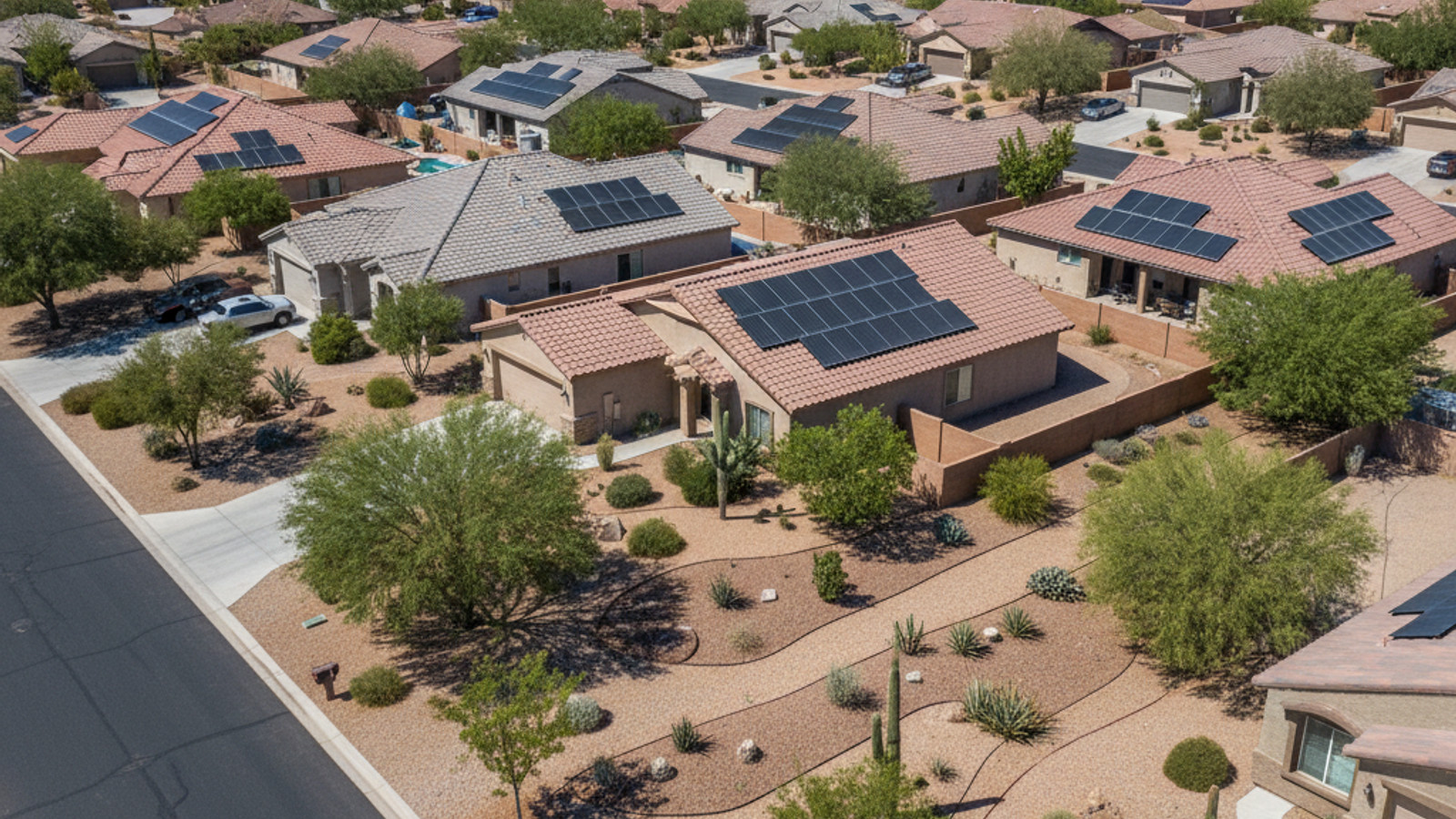
Weather and Climate in Gilbert AZ: 2026 Seasonal Trends
When you are looking at homes in the East Valley, understanding the local environment is just as important as checking the square footage. The weather and climate in Gilbert AZ directly influence how homes are built, maintained, and enjoyed throughout the year. Buyers relocating from different regions often need to adjust their expectations regarding property features and seasonal upkeep.
Knowing what to expect from the skies above can save you significant money on utility bills and exterior maintenance. From managing intense summer heat to preparing for sudden seasonal storms, local weather patterns dictate essential homeownership strategies. We will look at what makes this climate unique and how it shapes the local real estate landscape.
A Snapshot of the Weather and Climate in Gilbert AZ
Gilbert sits within a semi-arid desert environment characterized by minimal rainfall and abundant sunshine. The area averages roughly 300 sunny days per year, which is a major draw for buyers relocating from colder, cloudier regions. This consistent sunshine creates a highly predictable daily weather forecast for most of the year.
Precipitation is notably sparse, with the town receiving an average of just 9 to 10 inches of rain annually. This low moisture level means you will rarely deal with consecutive days of gloomy weather or extended rain delays for exterior home projects. For property owners, this dry climate heavily favors specific landscaping choices over traditional grass lawns.
The persistent clear skies and dry air require homes to have robust cooling systems rather than heavy heating infrastructure. Buyers should prioritize properties with adequate sun protection, as the sheer volume of UV exposure impacts exterior paint and roofing materials. Embracing this sun-drenched environment is the key to thriving in the local housing market.
Seasonal Temperature Variations in Gilbert
The contrast between the intense summer heat and the remarkably mild winters defines the local lifestyle. During the peak summer months, especially July and August, daily high temperatures consistently exceed 100 degrees Fahrenheit. This prolonged heat requires high-functioning air conditioning systems that run nearly non-stop for several months.
Winter provides a dramatic and welcome shift, bringing average low temperatures around 40 degrees Fahrenheit in January. These mild, comfortable months are exactly why so many winter residents purchase second homes in AZ. You will never have to shovel snow here, as the average annual snowfall is zero.
The transition seasons of spring and fall offer moderate temperatures that are perfect for opening the windows and airing out the house. Because Gilbert is a desert environment, you will also notice a significant temperature drop between day and night. This diurnal shift allows homes to cool down naturally during the evening, even after a warm spring day.
Navigating the Arizona Monsoon Season
While the region is generally dry, the annual monsoon season brings a distinct shift in weather patterns. Running officially from July through September, this period introduces higher humidity levels and the potential for severe weather. The transition from dry heat to muggy conditions often catches new residents by surprise.
Monsoon weather events typically feature intense, brief rainstorms, high winds, and occasional dust storms known as haboobs. These sudden microbursts can drop a massive amount of water on a neighborhood in just a few minutes. Because the ground is usually baked hard by the summer sun, this rapid rainfall can cause temporary street flooding.
Proper property drainage and lot grading are critical features to handle these sudden seasonal deluges. Homeowners must prioritize routine roof maintenance and clear their gutters before July to prevent water damage. Evaluating a property's drainage capacity is an essential step during any summer home inspection.
How the Local Climate Impacts Real Estate Choices
The intense desert climate dictates specific property features and adaptations for comfortable living. High-efficiency HVAC systems are an absolute necessity to manage the extreme summer heat and keep utility costs reasonable. Buyers should always ask for the age and service history of the air conditioning units when evaluating a home.
Energy efficiency upgrades offer an excellent return on investment in this market. Properties equipped with dual-pane windows, proper attic insulation, and exterior sunscreens command a premium because they significantly lower monthly cooling bills. Since cooling costs make up a large portion of summer utility expenses, these features are top buyer priorities.
Landscaping trends have also adapted heavily to the arid environment. There is a strong shift toward drought-tolerant xeriscaping and smart irrigation systems to conserve water and reduce yard maintenance. Local communities are increasingly incorporating green infrastructure and nature-based solutions to help mitigate the urban heat island effect.
Maximizing Outdoor Living in Gilbert
The high number of sunny days makes outdoor living spaces just as important as interior square footage. Local architecture frequently integrates outdoor and indoor areas through large sliding glass doors and expansive covered patios. These shaded exterior spaces act as natural extensions of the living room for most of the year.
Specific outdoor amenities are highly sought after by buyers moving to the area. Swimming pools, built-in shade structures, and outdoor kitchens are prevalent features that add significant value to a property. Having a private, shaded retreat in your backyard is essential for enjoying the outdoors during the warmer months.
The favorable weather also ensures year-round access to local recreation and community amenities. Gilbert features excellent proximity to local parks and nature preserves, such as Freestone Park and the Riparian Preserve at Water Ranch. Properties located near these outdoor hubs tend to hold their value exceptionally well over time.
Frequently Asked Questions About Gilbert AZ Weather
What are the average monthly utility costs during a Gilbert summer vs. winter?
Summer utility bills can easily exceed $300 to $400 per month due to the heavy reliance on air conditioning. In contrast, winter cooling and heating costs often drop below $150 per month. Upgrading to a modern, energy-efficient HVAC system can help stabilize these seasonal fluctuations.
Is Gilbert considered a desert climate?
Yes, the town is officially classified as a semi-arid desert environment. This designation means the area experiences very low annual precipitation and high evaporation rates. The combination of intense sun and dry air defines the local ecosystem and residential landscaping practices.
What are the risks of flood, fire, and drought in Gilbert, AZ?
While the risk of widespread wildfires within the city limits is low, the region does face ongoing drought conditions that impact water conservation policies. Flash flooding can occur during the summer monsoon season, making proper lot grading essential for homeowners. Local infrastructure is continually updated to manage these climate risks and capture storm runoff efficiently.