
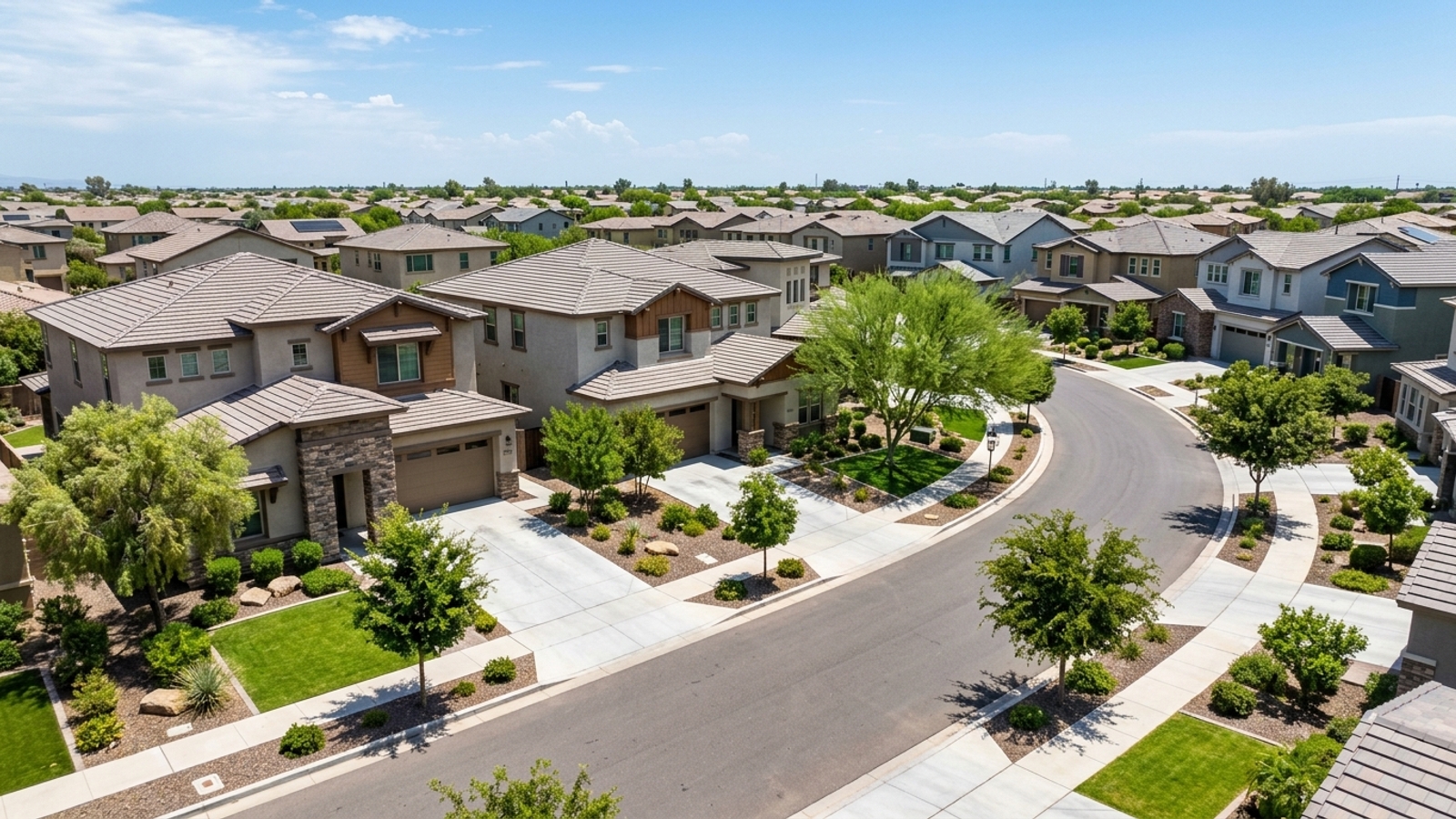
What to Know About Living in Gilbert, AZ: Pros and Cons for 2026
Gilbert, AZ is the fourth most populated city in Arizona, with 280,262 residents and a median sale price sitting at roughly $594,500. That combination - newer suburban construction, a growing population, and pricing well above the national average - tells you a lot about what you're walking into before buying a home in Gilbert, AZ.
If you're seriously considering a move to this part of Maricopa County, you need more than a general impression. This guide covers the specific numbers on costs, climate, and commute times so you can make a clear-eyed decision.
The Quick Verdict on Relocating to Gilbert
The case for moving here is straightforward: modern infrastructure, roughly 1,006 active listings across different property types, well-maintained public spaces, dedicated municipal services, and a direct pipeline to the broader Phoenix employment market. The housing stock skews newer, which matters for buyers who don't want to spend the first year fixing someone else's deferred maintenance.
The case against is equally clear. Housing costs are high, summer utility bills are punishing, and if your office is in central Phoenix, you're adding real driving time to your day.
Pros of Moving to Gilbert
The inventory gives you room to actually shop. With 1,006 active listings, you're not making panicked offers on the first thing that comes available. The area also has healthcare facilities, municipal parks, and the kind of suburban services that don't require a trip into the city for every errand.
Cons to Consider
The financial bar to entry is higher here than in several neighboring towns. The desert climate makes air conditioning less of a luxury and more of a fixed monthly cost - one that climbs sharply in July and August.
Location and Population Basics
Gilbert sits in Maricopa County, southeast of Phoenix. Most commuters use the Loop 202 or US 60 to reach employment centers in neighboring cities, and those routes matter when you're deciding how far out you're willing to live.
The town has a median age of 36.1 years. Per recent U.S. Census Bureau data, the median household income is $122,551 - a one percent increase from the prior year.
Cost of Living and Housing Prices
Costs here run above the national baseline. Gilbert carries a BestPlaces Cost of Living score of 113, which means overall expenses run about 13 percent above the U.S. average. That's not dramatic, but it's real, and it shows up in housing, groceries, and day-to-day spending.
To live comfortably as a single adult with no dependents, you're looking at a salary of around $64,632 before taxes. That breaks down to roughly $30,888 per year in housing costs, $8,568 for groceries, and $14,160 for other goods and services.
Gilbert Real Estate Prices
Recent MLS data puts the median sale price at $594,507. Homes are spending roughly 55 days on the market, sellers are getting about 97.8 percent of their list price, and the market carries 3.4 months of supply. The market recorded 902 homes sold in the most recent period, reflecting steady turnover.
The Census estimates median home values around $624,400 - a useful cross-check. Wherever the number lands for the specific home you're eyeing, expect competitive pricing on anything in genuine move-in condition.
Crime Statistics and Local Data
If you're researching safety, go to primary sources. The most current published crime data covers the 2024 calendar year, released by the FBI in the Uniform Crime Report in October 2025.
Local police data filed with the Arizona Department of Public Safety showed Gilbert's overall crime rate rose about 9.37 percent in 2024 compared to 2023. Part 1 crimes - the category most commonly used to assess community safety - rose 3.6 percent over that same period.
How to Research Local Crime Reports
The police department runs a Data and Transparency Hub online where you can pull crime reports, arrest statistics, calls-for-service breakdowns, and workload reports directly.
The department also has a mobile app with a Crime Maps feature that shows calls for service over the previous five days. If you're seriously considering a specific neighborhood, it's worth spending ten minutes with that tool before you write an offer.
Climate, Utilities, and Daily Lifestyle
The desert sets the terms here, not the other way around. Summer temperatures regularly exceed 100 degrees, and air conditioning stops being a comfort feature and becomes a baseline necessity. Budget accordingly.
Late summer brings the annual monsoon season - sudden heavy rainfall and dust storms that can cause real damage. During your inspection period, pay close attention to the roof and drainage systems. Don't assume those items are fine just because the home is newer.
Local Amenities and Recreation
The municipality maintains public parks, recreation centers, and trail systems throughout town. You can find dining, retail, and medical facilities without driving into Phoenix for most of it.
Local school districts operate throughout the area alongside private and charter options. District boundaries can shift, so verify the specific zone for any home you're seriously considering - don't rely on neighborhood assumptions.
Comparing Gilbert to Neighboring Phoenix
Phoenix gives you a denser urban environment, immediate proximity to major professional sports venues, and shorter commutes if your job is downtown. That's a real advantage for certain buyers.
The southeast suburbs offer newer residential developments and a quieter suburban layout. The honest tradeoff is simple: commute time versus housing style. Suburban lots usually mean more driving for daily errands. Whether that's worth it depends entirely on where you work and what you want your weekends to look like.
Housing for Seniors and Specialized Care
The local market includes property types and facilities built for different stages of life. Buyers looking for senior living in Gilbert, AZ will find a range of 55+ communities and independent living complexes.
The area also supports various levels of assisted living and medical care facilities. Organizations operating sober living in Gilbert, AZ provide transitional housing options integrated into residential areas as well.
Frequently Asked Questions
Is Gilbert, AZ a good place to live?
It depends on your budget and lifestyle. The area offers modern amenities and strong job access, but a cost of living that runs 13 percent above the national average is a real number you'll feel every month.
What are the cons of living in Gilbert?
Intense summer heat and higher housing costs top the list. Commuting into central Phoenix adds significant daily driving time, and that compounds over the course of a year.
Is Gilbert expensive to live in?
Yes. A single adult needs a salary of about $64,632 to live comfortably, and the median home sale price is roughly $594,500.
What do the crime statistics show for Gilbert, AZ?
FBI data for 2024 shows the overall crime rate rose roughly 9.37 percent from the prior year. Part 1 crimes, which are often used to gauge community safety, saw a 3.6 percent increase during that same period.
Is Gilbert or Phoenix a better fit to live in?
Depends on your commute and what kind of housing you want. Phoenix means shorter drives to downtown jobs; the suburban areas mean newer home construction and larger residential lots.
What are the options for senior, assisted, and sober living in Gilbert?
The municipality has numerous 55+ communities, independent senior living complexes, and assisted living facilities. Sober living homes are also integrated throughout the residential zones.
What is the climate and lifestyle like year-round in Gilbert, AZ?
Extreme heat through the summer, a late-summer monsoon season with heavy rain and dust storms, and mild temperatures the rest of the year. Outside of summer, the town's park and trail systems get real use.