
Living in Gilbert, AZ: The Complete Relocation Guide
What Is It Like Living in Gilbert, AZ?
Not too long ago, this area was primarily known as the "Hay Shipping Capital of the World." Today, Gilbert has completely transformed into one of the fastest-growing and most desirable cities in the United States. Located in the highly sought-after East Valley of the Phoenix metropolitan area, it is a community that has managed to hold onto its welcoming roots while expanding into a booming, modern suburb. The current population sits comfortably around 280,000 to 293,000 residents, bringing a vibrant energy to the local economy without losing that wide-open desert sky appeal.
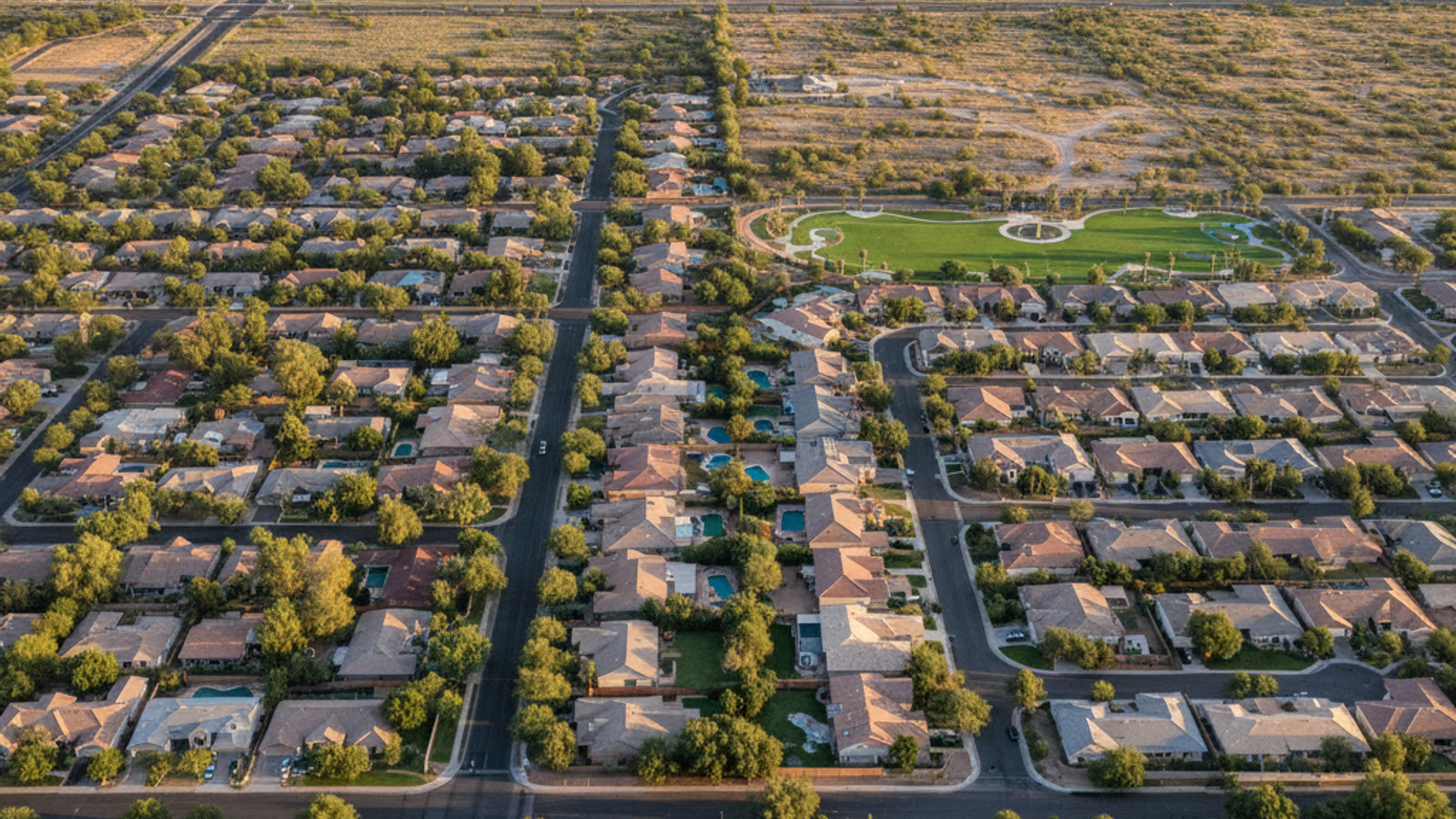
When you drive through town, you will quickly notice a unique balance in the landscape. On one hand, you have a quiet, sparse suburban feel with wide streets, expansive parks, and master-planned neighborhoods. On the other hand, you have a highly active, walkable downtown hub known as the Heritage District, which is packed with local dining and entertainment.
If you are putting together a general guide to moving to Arizona, this city should absolutely be on your radar. The purpose of this guide is to give you an honest, objective look at the pros, cons, costs, and everyday lifestyle you can expect if you decide to make Gilbert your new home base.
Pros and Cons of Living in Gilbert, AZ
Before we dive into the specific financial details, it always helps to weigh the everyday realities of relocating to a new city. Like any major suburb, this area has its distinct advantages and a few drawbacks that you should prepare for. Here is a quick look at the pros and cons to help you decide if it is the right fit.
The Pros:
Excellent public amenities:The city is known for its impeccably maintained parks, recreation centers, and highly rated educational facilities.
Strong local job market:You get the benefit of robust local employment options, plus close proximity to major Phoenix employment hubs.
Low crime statistics:Based on objective data, the city consistently reports low crime rates relative to the national average.
The Cons:
Higher cost of living:Housing prices and general living expenses sit higher here compared to several neighboring cities.
Extreme summer heat:This is the Sonoran Desert, meaning summer temperatures frequently and consistently push past 100 degrees Fahrenheit.
Reliance on personal vehicles:There is a distinct lack of extensive public transit, making a personal car a strict necessity for daily life.
What is the Cost of Living in Gilbert, Arizona?
Let's start with the financial side of things. When you compare the best places to live in the Phoenix Metro, you will find that living here comes at a slight premium. The overall cost of living in Gilbert is approximately 9% to 13% higher than the national average. While this might seem steep at first glance, many residents find that the quality of the infrastructure, public services, and local amenities justifies the higher baseline.
Housing is by far the primary driver of these increased costs. Buying or renting a home here takes up a larger percentage of a monthly budget than it does in the broader state averages. However, everyday expenses like groceries, standard healthcare, and transportation remain fairly typical for the Phoenix metropolitan area.
You also need to factor in the local climate when planning your monthly budget. Keeping a home cool during those 100-degree summer months requires a lot of electricity, so utility bills from May through October will be noticeably higher. Additionally, when you are out shopping or dining locally, keep in mind that the 2026 combined Transaction Privilege Tax - which functions as the local sales tax - is around 8.3%. Reviewing the overall cost of living in Phoenix AZ can give you a helpful baseline to see exactly how this suburb compares to the city center.
Gilbert Real Estate and Housing Market Trends
From there, it is smart to look closely at the housing market. Because so many people are moving to Gilbert, the real estate market remains highly competitive. In 2026, the median home price generally ranges from $570,000 to $650,000. This price point varies heavily depending on the specific neighborhood, the size of the lot, and whether the property has a private pool - a highly coveted feature in the desert.
Buyers have a fantastic mix of housing options to choose from. If you want a low-maintenance lifestyle, there are modern urban condos situated close to the downtown area. If you prefer more space, the city is famous for its expansive master-planned communities. Neighborhoods like Agritopia, Morrison Ranch, and Power Ranch are incredibly popular choices. These communities stand out for their objective amenities, offering extensive multi-use trail access, tree-lined streets, and generous lot sizes that give you plenty of room to breathe.
If you are not quite ready to purchase a home, the rental market is robust and active. The average monthly rent currently hovers around $2,000, which can be a great way to test out different neighborhoods before committing to a mortgage. Searching for homes for sale in Gilbert AZ or working with a local agent will quickly show you why property values here remain so stable. It is a premium market, but one that consistently holds its value.
Job Market and Top Employers
A strong housing market is almost always supported by a healthy local economy, and this area is no exception. The city boasts a notably low unemployment rate and an impressive median household income of over $120,000. This economic stability makes it an attractive destination for professionals across a variety of industries.
The local economy is driven heavily by the healthcare, education, and technology sectors. Top employers providing long-term stability to the region include Gilbert Public Schools, Banner Health, the Town of Gilbert, and aerospace giant Northrop Grumman. These organizations offer a wide range of career opportunities right within the town limits, allowing many residents to avoid a highway commute altogether.
Even if your job is not based right inside the town, you are well-positioned for a straightforward commute. Many residents easily travel via the US-60 or Loop 202 freeways to Phoenix, Scottsdale, and Tempe for additional corporate and tech opportunities. Relocating for work in Arizona is a very common path, and this East Valley location makes accessing the broader regional job market incredibly convenient.
Lifestyle, Amenities, and Things to Do
Beyond work and housing, the day-to-day lifestyle is what truly draws people to this desert suburb. The absolute heart of the city's social scene is Downtown Gilbert, locally known as the Heritage District. This highly walkable area is packed with vibrant dining options, independent coffee shops, lively nightlife, and colorful murals that give the streets a distinct, modern energy. It is the perfect place to grab dinner on a Friday night or explore the bustling farmers markets on a Saturday morning.
Outside of downtown, the city caters heavily to outdoor enthusiasts. The area boasts over 600 acres of open space and more than 300 days of sunshine per year to enjoy it. A major highlight is the Riparian Preserve at Water Ranch. This unique nature preserve features water recharge ponds, an observatory, and miles of walking paths that offer fantastic bird watching and a quiet escape from the suburban bustle.
The community is also filled with well-maintained public parks, top-tier golf courses, and an extensive network of multi-use trails for biking and walking. Whether you are looking for year-round community festivals, a quiet morning on the golf course, or just a paved trail for an evening run, the local amenities are tough to beat. Exploring outdoor recreation in Maricopa County usually starts right here in these local parks.
Education and Schools in Gilbert
For anyone valuing access to strong academics, the local educational landscape is a major highlight. The area is primarily served by two highly respected districts: the Gilbert Unified School District and the Higley Unified School District. The commitment to education is so strong here that Gilbert Public Schools is actually the largest employer in town, and its campuses frequently rank among the top public schools in the state.
Residents are not limited to traditional public schools, either. The city offers access to a wide variety of highly rated charter and private school options, allowing you to choose the environment that best fits your specific educational preferences. Navigating Arizona school districts can feel overwhelming when you first arrive, but the options in this suburb are consistently recognized for their academic rigor and well-maintained campus facilities.
Proximity to higher education is another massive advantage for the region. Arizona State University (ASU) is located in nearby Tempe, making it a very easy commute for students, faculty, and staff. Having a major research university just a short drive away also brings a wealth of cultural events, collegiate sports, and continuing education opportunities to the local community.
Frequently Asked Questions About Moving to Gilbert
Is Gilbert AZ a safe place to live?
Yes, the city consistently reports low crime statistics relative to the national average based on objective FBI data. It is widely recognized by local law enforcement and municipal reports as one of the safer municipalities within the Phoenix metropolitan area.
Is it expensive to live in Gilbert AZ?
The cost of living here is approximately 9% to 13% higher than the national average. This premium is primarily driven by local housing costs, with median home prices typically exceeding $570,000 and monthly rents averaging around $2,000.
How far is Gilbert from Phoenix?
The city is located about 22 miles southeast of downtown Phoenix. Depending on traffic conditions, the commute typically takes 30 to 45 minutes via the US-60 or Loop 202 freeways.
Which is better to live, Gilbert or Chandler, AZ?
Both are excellent East Valley suburbs, but the choice depends entirely on your lifestyle priorities. Gilbert often appeals to those looking for a slightly newer, sparse suburban feel with a vibrant historic downtown, while Chandler offers a more established technology corridor and a slightly different mix of housing inventory.
Ready to Make the Move?
Relocating to a new city is a major decision, but understanding the local numbers makes the process much easier. From the vibrant dining in the Heritage District to the expansive trails of the Riparian Preserve, this East Valley suburb offers a highly rewarding lifestyle for those prepared for the local housing market. If you are actively considering moving here, reaching out to a local real estate agent is the best next step. They can help you navigate the 2026 market, explore current property listings, and find the perfect neighborhood to match your budget and lifestyle goals.