
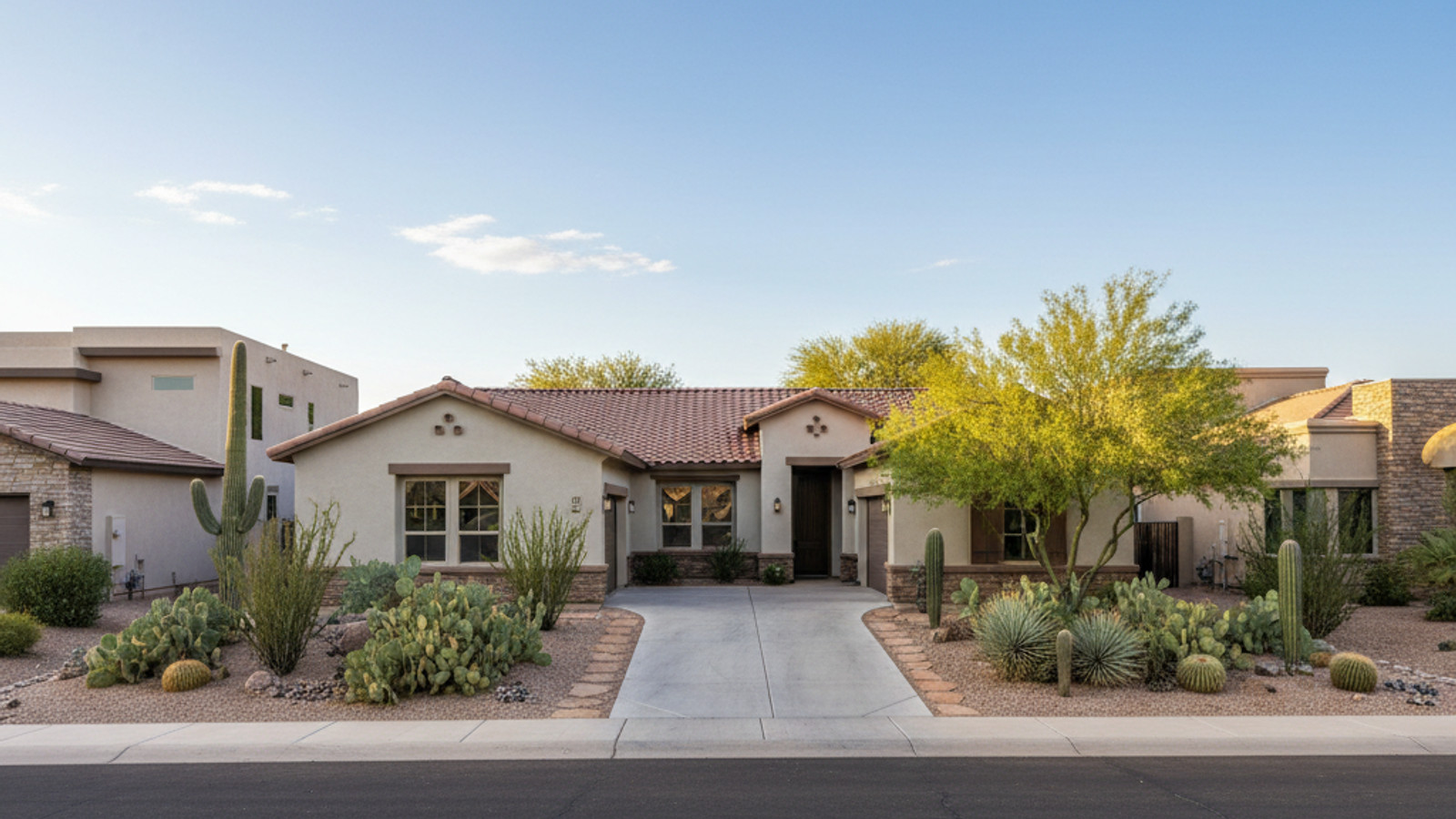
Investing in Gilbert, AZ Real Estate: A Buyer's Guide for 2026
The median home price in Maricopa County has shifted over the last few years, but Gilbert maintains its position as a high-demand area in the Phoenix East Valley. Buyers looking at investing in Gilbert, AZ real estate face an environment defined by steady appreciation and limited inventory. The town's population growth continues to drive consistent demand for both long-term rentals and single-family homes.
Home values here grew steadily through last year, and that trajectory has continued into 2026. Investors entering this market need to evaluate specific zip codes, local homeowner association rules, and current cap rates to make the numbers work. Success in this area comes down to understanding the localized economic drivers and the specific infrastructure projects shaping tenant demand.
The Gilbert Real Estate Market in 2026
The median home price in Gilbert sits at $575,000 as of mid-2026. This figure places the town above the national average, reflecting its sustained popularity within the Phoenix metropolitan area. Properties here spend roughly 53 days on the market before closing.
Inventory levels remain tight across Maricopa County. Gilbert currently holds a 1.4 to 1.6-month supply of available homes, keeping the market competitive for buyers. This low inventory supports historical property appreciation and provides a stable baseline for forecasted annual growth.
Sellers continue to see strong offers, but buyers have enough breathing room to conduct thorough inspections and appraisals. Investors should monitor the days on the market in their target subdivisions, as certain price brackets move faster than others. Tracking these localized metrics helps buyers time their offers appropriately.
Economic Drivers and Major Employers
Major corporate expansions in the tech, finance, and healthcare sectors bring thousands of jobs to the Phoenix East Valley each year. Gilbert benefits directly from this commercial growth, creating a steady pool of potential renters. Employers like Banner Health, Northrop Grumman, Deloitte, and Morgan Stanley operate large facilities in and around the town.
Proximity to major transit routes enhances the appeal of local housing. The Loop 202 SanTan Freeway provides commuters with direct access to employment centers in Chandler, Tempe, and Phoenix. Properties located within a ten-minute drive of freeway on-ramps often see lower vacancy rates.
The Phoenix-Mesa Gateway Airport also serves as a major economic catalyst just east of town. This expanding transit hub supports local logistics, retail, and aerospace industries. Investors should factor in these employment hubs when selecting locations for long-term rental properties.
Rental Market Data: Yields, Rates, and Taxes
Single-family homes in Gilbert command an average monthly rent of around $2,300. Smaller units and apartments average closer to $1,700 per month. These figures offer a reliable income stream, though investors should account for local property taxes when calculating their expected return on investment.
Capitalization rates for traditional, long-term rentals in Maricopa County generally hover around 2.8% to 3.0%. While these cap rates are lower than some midwestern markets, investors often prioritize the region's strong long-term appreciation and tenant stability. Arizona's relatively low property tax rates help offset these modest cap rates.
Landlords must register their rental properties with Maricopa County and pay the applicable residential rental taxes. Factoring in property management fees, which typically run between 8% and 10% of monthly rent, gives buyers a clear picture of their net operating income.
Why Gilbert Public Schools and Infrastructure Matter
Homes located within the boundaries of top-rated Gilbert Public Schools consistently maintain their property values. The district's reputation drives steady demand from long-term renters looking for educational stability. Buyers should verify school district boundaries before purchasing, as these lines can shift and cross town borders.
Beyond education, local infrastructure and recreational amenities play a major role in tenant retention. Renters look for proximity to well-maintained public spaces and retail centers.
Parks and recreation: Facilities like Freestone Park and Discovery Park offer extensive trails, sports fields, and lakes that draw residents year-round.
The Heritage District: Gilbert's downtown entertainment area features a dense collection of restaurants, theaters, and local businesses that appeal to a wide demographic.
Transit connectivity: Well-planned road networks ensure that residents can easily access both everyday retail and regional employment centers.
Properties within walking distance of these centralized amenities often command a premium in the rental market. Investors should weigh the initial purchase price against the potential for sustained rental income in these localized areas.
What to Know About Neighborhoods and HOAs
Zip codes 85297 and 85234 stand out for their steady price per square foot metrics and low days on the market. These areas feature a mix of established subdivisions and newer master-planned communities. Investors evaluating these zip codes should pay close attention to the age of the housing stock and associated maintenance costs.
Almost every neighborhood in Gilbert operates under a Homeowner Association. Buyers must review the HOA's specific Covenants, Conditions, and Restrictions (CC&Rs) before closing on a property. Many communities enforce minimum lease terms, typically requiring rentals to be at least 30 to 90 days, which eliminates the option for short-term vacation rentals.
Investors should also budget for ongoing landscaping and maintenance requirements mandated by these associations. Older homes might feature mature trees and higher water bills, while new construction often utilizes low-maintenance desert landscaping. Accounting for these monthly HOA dues is a necessary step in projecting cash flow.
Financing Your Investment Property
Non-owner-occupied loans in 2026 generally require a down payment of 20% to 25%. Interest rates for investment properties also carry a premium over standard residential mortgages. Buyers should shop around with local lenders who understand the nuances of the Maricopa County market.
Many local property managers recommend the 3-3-3 rule for real estate investing. This guideline suggests saving three months of mortgage payments, holding three months of repair reserves, and expecting it to take three weeks to place a qualified tenant. Following this formula helps landlords weather unexpected vacancies or sudden maintenance issues.
Investors should also account for recent municipal changes when forecasting their expenses. Factoring in the 2026 local utility rate adjustments ensures that profit margins remain accurate. Building a buffer for these operational costs keeps the investment sustainable over the long term.
Frequently Asked Questions
Is Gilbert, AZ a buyers or sellers market in 2026?
While inventory remains tight, the pace of sales provides a balanced window for negotiations. Buyers who target properties requiring minor cosmetic updates often find sellers willing to offer concessions or cover closing costs. Properly priced turnkey homes, however, will still command asking price or higher within the first weekend.
Is Arizona a good place to invest in real estate?
The state benefits from a favorable tax environment and consistent job creation across multiple sectors. Property taxes in Maricopa County run lower than the national average, which helps landlords maximize their net operating income. This combination of low holding costs and steady tenant demand makes the region a strong addition to a rental portfolio.
What is the nicest neighborhood in Gilbert, AZ?
Local appeal depends entirely on a buyer's budget and target tenant demographic. Communities south of the Loop 202 freeway offer newer construction and modern community pools, while neighborhoods closer to the Heritage District provide walkable access to dining. Investors should focus on areas with stable homeowner associations and low vacancy rates rather than subjective neighborhood prestige.