How Much Is Your Home Worth?

Contact
ReMax Fine Properties
License #: SA550891000
License #: 268528
355 E Germann Rd #130, Gilbert AZ 85297
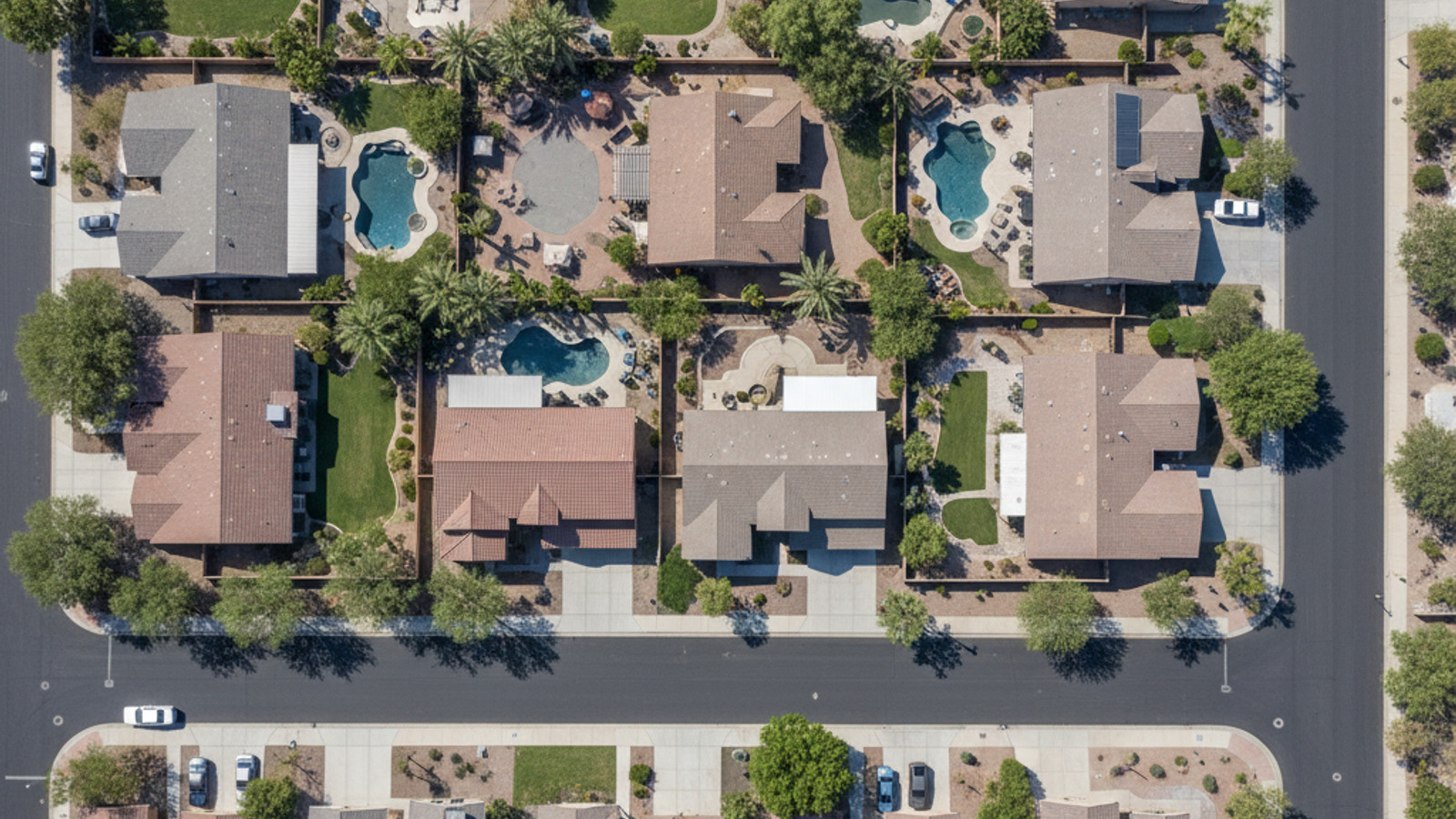
Seller Closing Costs in Gilbert, AZ: 2026 Net Proceeds Guide
Preparing to list your property requires a clear understanding of the financial obligations required to transfer ownership. Homeowners often focus entirely on their listing price, forgetting that administrative and transactional fees will reduce their final take-home amount.
Navigating the local real estate transaction process means anticipating exact expenses before you sign a listing agreement. By calculating these fees early, you can price your property strategically and project an accurate timeline for your next move.
What Are the Typical Seller Closing Costs in Gilbert, AZ?
Selling a home involves various administrative, legal, and transactional fees that are deducted directly from the sale proceeds. Total seller closing costs in Arizona generally range from 6% to 8% of the final home sale price.
As of early 2026, the median home price in Gilbert sits at approximately $575,000, which provides a realistic baseline for estimating your total expenses. A seller moving a property at this median price should expect to pay roughly $34,500 to $46,000 to finalize the transaction.
The largest variable in this range comes down to negotiated professional fees and any buyer incentives you choose to offer. Taking the time to understand each line item is the best way to protect your equity and avoid last-minute surprises at the closing table.
Real Estate Agent Commissions in the 2026 Market
The traditional structure of real estate agent compensation has evolved, giving sellers more control over their expenses. In the current market, the listing agent's commission typically averages around 2.9% to 3% of the sale price.
Following recent industry shifts and NAR settlement rules, buyer's agent compensation is entirely negotiable and is no longer an assumed seller expense. Negotiating these professional rates or exploring flat-fee Multiple Listing Service options remains the most effective way for a seller to increase their net income.
Title Insurance, Escrow, and Title Search Fees
Guaranteeing a clean transfer of ownership requires specialized title and escrow services. In Arizona, it is customary for the seller to pay for the owner's title insurance policy, which assures the buyer that the property is free of liens or legal claims.
Escrow fees, which cover the neutral third party managing the transaction funds, are typically split evenly between the buyer and the seller. You will also see minor administrative charges on your final settlement statement, including county recording fees and the cost of the initial title search.
Maricopa County Property Tax Prorations
Maricopa County property taxes are billed semi-annually, meaning you will almost certainly need to settle prorated taxes at closing. The escrow officer will calculate your exact tax responsibility based on the precise number of days you owned the property during the current billing cycle.
Sellers are either credited or charged at the closing table to ensure neither party pays for the other's time in the home. Reviewing your latest Maricopa County Assessor bill is helpful, as the effective property tax rate typically falls between 0.6% and 1.3% of the market value.
Gilbert HOA Transfer Fees and Capital Contributions
Master-planned communities are incredibly popular in this area, bringing specific administrative costs when transferring ownership. Arizona law permits homeowner associations to charge disclosure fees, which are a customary closing expense for the seller.
Sellers should order their HOA resale package early in the listing process to identify all administrative charges and community-specific capital contributions. The exact costs vary significantly depending on the specific neighborhood rules:
In Agritopia, a seller might encounter a $400 HOA transfer fee plus an additional $250 Master HOA transfer fee.
Power Ranch charges no standard transfer fee but enforces a $2,500 Master Capital Contribution fee upon sale.
Many local communities also charge a standard disclosure fee, which frequently averages around $380.
These capital contribution fees are often negotiated between the buyer and the seller during the initial contract phase. Clarifying who pays these neighborhood-specific charges upfront prevents delays during the final week of escrow.
How to Estimate Your Net Proceeds from a Gilbert Home Sale
Calculating your actual take-home profit requires more than just subtracting your mortgage balance from your listing price. You must request an estimated net sheet from your real estate agent before your property officially hits the market.
This document walks through the entire financial picture by subtracting the outstanding loan balance, prorated property taxes, and all seller closing costs from the projected $575,000 median sale price. Seeing the itemized deductions allows you to accurately budget for your next down payment or investment.
Sellers absolutely must account for potential repair credits or buyer concessions in this estimate to ensure a realistic financial projection. Failing to build a buffer for inspection-related repairs is the fastest way to derail your expected closing day payout.
Seller Concessions vs. Buyer Closing Costs in Arizona
Understanding the boundary between seller and buyer expenses helps you evaluate purchase offers more effectively. Buyers are generally responsible for their own loan origination fees, appraisal costs, and the lender's title insurance policy.
However, buyers frequently request seller concessions, which are funds credited by the seller to offset the buyer's closing expenses or buy down their mortgage interest rate. These requests directly reduce your net proceeds, meaning a full-price offer with high concession requests might be less profitable than a slightly lower offer with no concessions.
In the balanced 2026 Gilbert market, offering targeted concessions is a highly effective strategy for sellers. Providing closing cost assistance can secure a faster closing date and attract a wider pool of buyers without requiring you to drop the official list price.
Frequently Asked Questions
Are seller closing costs in Arizona deductible on my taxes?
Many of the closing costs associated with selling your property can be deducted from your capital gains. Fees such as real estate commissions, title insurance, and legal expenses directly reduce your realized profit, potentially lowering your tax liability. Always consult with a licensed tax professional to review your specific settlement statement.
Who pays the HOA transfer fee in Arizona, the buyer or the seller?
The responsibility for HOA transfer fees is entirely negotiable, though sellers customarily cover the disclosure fee required by Arizona law. Larger capital contribution charges, like the $2,500 fee seen in some Maricopa County communities, are negotiated within the purchase contract. Your real estate agent will help you specify these terms before accepting an offer.




Disclaimer: All information contained on this website is deemed reliable but not guaranteed. All properties are subject to prior sale, change or withdrawal notice sellingphoenixaz.net believes all information to be correct but assumes no legal responsibility for accuracy.