How Much Is Your Home Worth?

Contact
ReMax Fine Properties
License #: SA550891000
License #: 268528
355 E Germann Rd #130, Gilbert AZ 85297
A Guide to Retirement Communities in Gilbert, AZ
The median sale price for homes in Gilbert, AZ currently sits around $579,000. The local real estate market maintains steady demand, with available homes spending roughly 46 days on the market before selling. Partnering with the best real estate agent in Gilbert, AZ can help buyers secure the right property. With just under three months of available inventory, buyers looking at retirement communities in Gilbert, AZ should prepare for a balanced but active market.
Gilbert senior living options cover a wide range of property types and care models. Buyers can choose from age-restricted neighborhoods focused on single-family homeownership to all-inclusive facilities that provide daily medical support. Understanding the differences in pricing, property types, and local amenities helps narrow down the choices.
Why Older Adults Choose Gilbert, AZ
Gilbert is positioned in the southeast valley of the Phoenix metro area, bordered by Chandler and Mesa. Commute times to Phoenix Sky Harbor International Airport are typically 20 to 30 minutes via the Santan Freeway (Loop 202). This highway gives residents a direct and efficient route across the entire valley.
The town provides a well-maintained infrastructure grid with access to major medical centers and commercial districts. Buyers moving to Gilbert from out of state often look to the area for its consistent sunshine and proximity to the broader amenities of Phoenix and Scottsdale.
Active Adult Neighborhoods in Gilbert, AZ
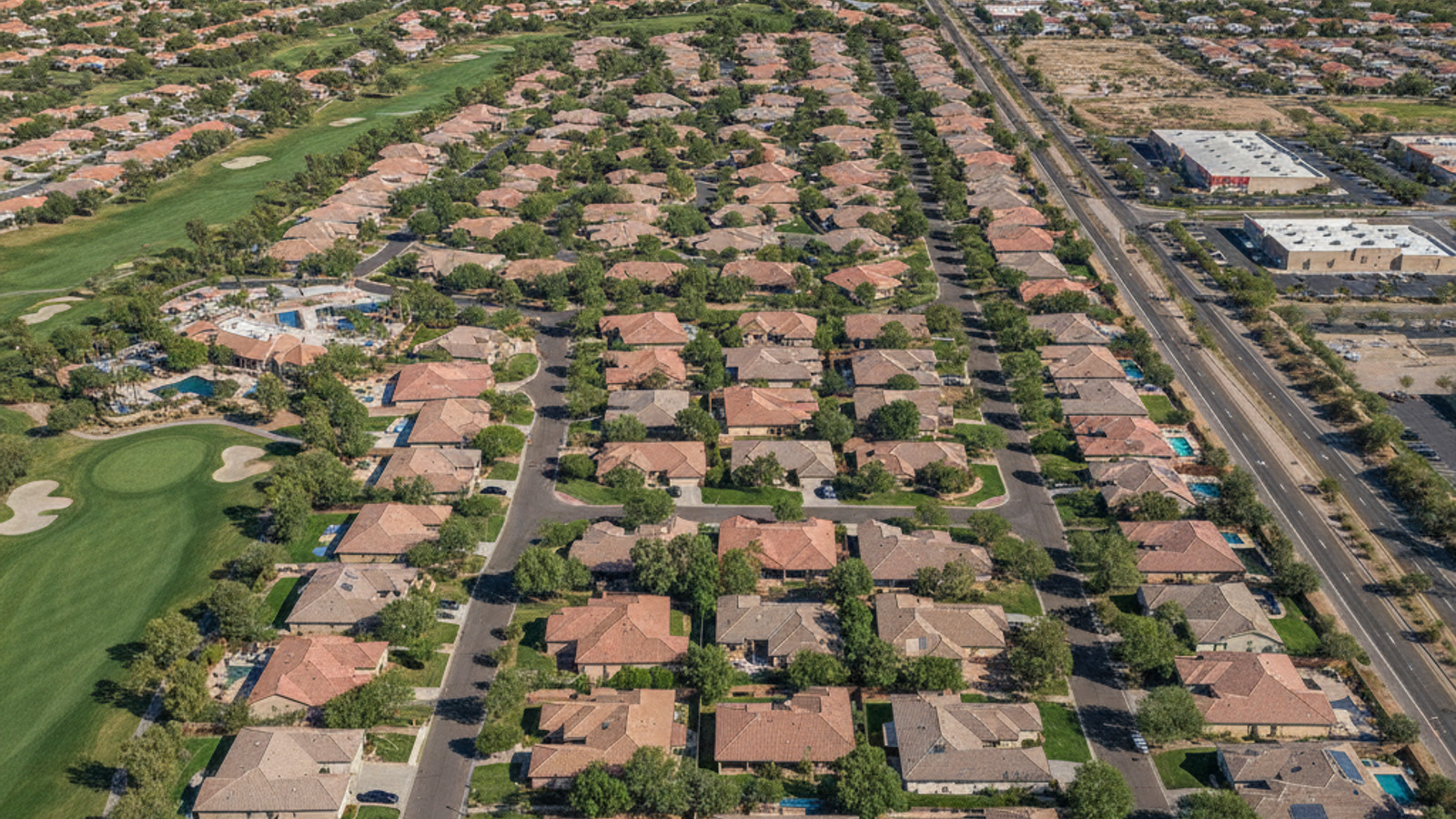
Buyers looking for a traditional homeownership model often focus their search on Trilogy at Power Ranch. This gated development serves as the primary 55+ neighborhood within the town borders. The community consists mostly of single-family homes designed with single-level floor plans.
Current market data for mid-2026 shows homes in Trilogy at Power Ranch ranging from the mid-$400,000s to over $700,000. Factor homeowner association dues into the budget when evaluating these properties. These fees are typically billed monthly or quarterly and cover the maintenance of common areas, street landscaping, and access to the community pool.
Independent and Assisted Living Facilities
Gilbert senior living encompasses several care models tailored to different medical and social needs. Independent living facilities function like standard apartment complexes with added services like communal dining and housekeeping. Assisted living provides daily help with medications and personal care, while memory care units offer specialized support for cognitive conditions.
Local facilities include Verena at Gilbert, Copper Springs Retirement Community, The Enclave at Gilbert, and Sunrise of Gilbert. Floor plans at these properties typically range from studio apartments to two-bedroom layouts. Many of these buildings group independent and assisted living residents in the same complex, allowing individuals to upgrade their care level without moving.
Pricing varies based on the level of care required and the size of the apartment home. Independent living at Verena at Gilbert starts around $2,850 per month. Base pricing at Copper Springs Retirement Community is approximately $3,500 monthly, with costs increasing for residents who require dedicated assisted living services.
Features and Amenities in Local Senior Housing
The specific amenities available depend entirely on whether you choose a 55+ housing development or an all-inclusive care facility. Review the homeowner association documents or facility brochures to understand exactly what the monthly fees cover.
Age-restricted neighborhoods focus primarily on active recreation and outdoor spaces. Assisted living communities, by contrast, prioritize daily convenience and accessible social engagement.
Common features found across different Gilbert senior living options include:
Recreation: Golf courses, tennis courts, fitness centers, and extensive walking trails in large 55+ neighborhoods.
Daily Conveniences: Chef-prepared meals in communal dining rooms, weekly laundry services, and scheduled transportation to local shopping centers.
Social Programming: Organized daily activities, fitness classes, and off-site excursions managed by dedicated facility staff.
Access to Medical Centers and Healthcare
Proximity to medical care is a primary consideration for buyers evaluating senior living in Gilbert. The town is served by two major hospital systems capable of handling emergency and specialized treatments.
Mercy Gilbert Medical Center is located near the Santan Freeway, providing emergency services, cardiovascular care, and an oncology department. Banner Gateway Medical Center sits on the town's northern border, offering additional specialized treatment options and surgical centers.
Most local senior living communities are situated within a 15-minute drive of these hospitals. Residents also have access to numerous outpatient clinics, physical therapy centers, and home health service providers throughout the Gilbert area.
Retail and Dining Options Near Senior Communities
Gilbert features several commercial hubs that provide shopping and dining within a short drive of residential areas. SanTan Village is an open-air retail center located near the Loop 202 interchange. It offers major department stores, specialty shops, and a wide variety of casual dining options.
The Heritage District serves as the town's downtown area, featuring a dense collection of locally owned restaurants and retail storefronts. This area hosts a weekly Gilbert farmers market and community events throughout the year.
Many independent living facilities provide scheduled shuttle services to these commercial districts. This allows residents to shop and dine locally without needing to drive or maintain a personal vehicle.
Frequently Asked Questions
Is Gilbert, AZ a good place for retirees?
The town provides strong infrastructure, including direct access to the Santan Freeway for easy valley commuting. Residents also benefit from proximity to major healthcare facilities like Mercy Gilbert Medical Center.
Are there gated 55+ communities in Gilbert?
Yes, Trilogy at Power Ranch operates as the primary gated 55+ development within the town limits. Buyers will find single-family homes here, along with amenities like a community pool and clubhouse.
What is the average cost of independent living in Gilbert, AZ?
Monthly costs depend on the facility's amenities and the specific floor plan you choose. Starting prices generally range from roughly $2,850 to $3,500 per month at local facilities.
How can I pay for senior living in Gilbert, AZ?
Most residents cover these costs using private funds, such as personal savings, pensions, or proceeds from a home sale. Long-term care insurance policies and specific veterans benefits can also offset the monthly expenses.
Can younger family members live with me in a Gilbert 55+ community?
Age-restricted neighborhoods require at least one resident in the home to be 55 or older. Homeowner association rules limit how long underage guests or younger family members can stay, often capping visits at a few weeks per year.
What happens if my medical needs change after moving into a Gilbert retirement community?
Continuing care facilities allow residents to transition from independent living to assisted living or memory care without leaving the property. If you live in a traditional 55+ neighborhood, you would need to hire in-home health services or relocate to a dedicated care facility.




Disclaimer: All information contained on this website is deemed reliable but not guaranteed. All properties are subject to prior sale, change or withdrawal notice sellingphoenixaz.net believes all information to be correct but assumes no legal responsibility for accuracy.