How Much Is Your Home Worth?

Contact
ReMax Fine Properties
License #: SA550891000
License #: 268528
355 E Germann Rd #130, Gilbert AZ 85297
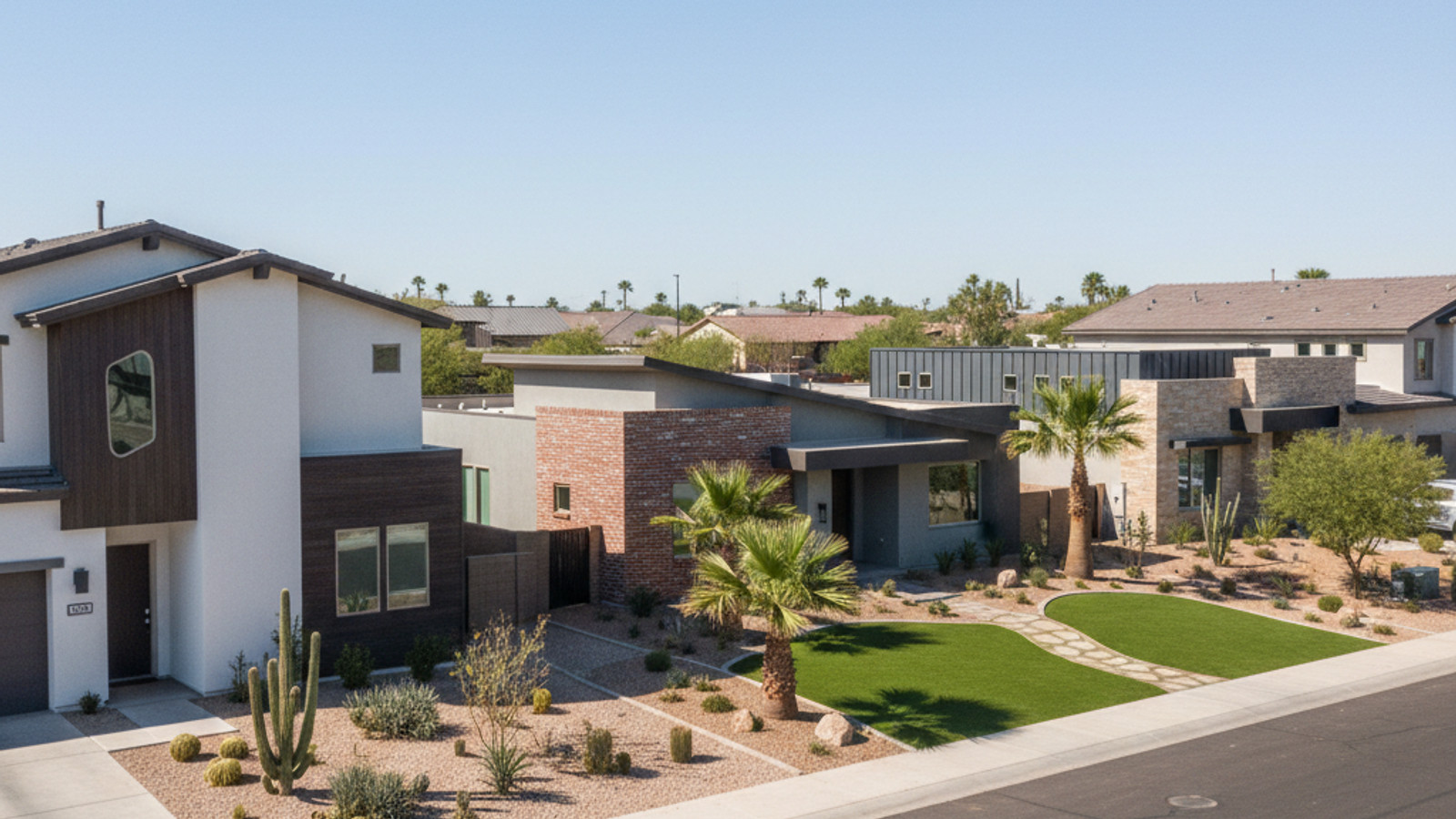
Pricing Strategies in Gilbert, AZ: Beat the $64K Gap
Selling a home in the Phoenix metro area requires a sharp understanding of local market dynamics, and Gilbert is no exception. As we move through the spring of 2026, homeowners must rely on hard data rather than guesswork to determine their listing price. The days of throwing a high number at the wall to see what sticks are firmly in the rearview mirror.
Buyers today are highly educated on property values and quick to ignore listings that do not align with current market realities. To capture attention and secure a strong offer, sellers need a methodical approach to valuation. Implementing the right pricing strategies in Gilbert AZ can mean the difference between a swift, profitable closing and a property that sits stagnant on the MLS.
Understanding the Gilbert, AZ Real Estate Market in 2026
The local housing landscape has reached a distinct point of stabilization this year. Currently, Gilbert holds roughly a 1.4-month supply of inventory, creating a balanced environment where neither buyers nor sellers hold absolute leverage. This equilibrium means that well-priced homes move efficiently, while overpriced properties face immediate pushback from the market.
Sellers should expect their properties to average about 53 days on the market before securing a solid contract. This timeline requires patience and a realistic negotiation mindset right from the start. A home sitting for several weeks is no longer a sign of failure, but rather the standard rhythm of our current market.
Right now, the median sold price for a Gilbert home sits at approximately $585,000, while the median list price is hovering around $649,000. That noticeable $64,000 gap between asking prices and actual closed sales reveals a clear trend of seller over-optimism. The definitive takeaway here is that pricing ahead of the market will only lead to price reductions and lost momentum.
Objective Pricing Strategies for Gilbert Home Sellers
Establishing an accurate asking price relies on three core components: comparable sales, property condition, and active competition. Relying on an automated online estimate is simply not enough when hundreds of thousands of dollars are on the line. Sellers need a hyper-local, data-driven approach to accurately capture buyer demand.
A methodical pricing plan prevents drawn-out negotiations and keeps sellers from leaving money on the table. When buyers see a logical, justifiable price point, they are much more likely to submit a clean offer. My strongest recommendation is to remove emotion entirely and view your property strictly as a financial commodity.
Using a Comparative Market Analysis (CMA)
A Comparative Market Analysis serves as the baseline for determining fair market value. Real estate professionals use this tool to evaluate similar floor plans, square footage, and lot sizes within your immediate neighborhood. This data provides a factual foundation for your listing strategy.
It is crucial to pull comparable sales strictly from the last 30 to 90 days. Older data will not accurately reflect the current market dynamics or the active competition you face today. Factoring in current pendings alongside recent sales gives you the most accurate picture of where buyer demand actually sits.
Pricing Slightly Below Market to Generate Multiple Offers
Intentionally pricing a home just below its perceived value can dramatically increase online visibility. Setting the list price neatly within common buyer search brackets ensures the property appears in more portal results. This increased traffic often translates into a surge of showings during the first weekend on the market.
This approach is highly effective for sparking a multiple-offer scenario, which can drive the final price up and yield stronger contractual terms. However, sellers must exercise caution with this tactic. If your specific micro-market does not have exceptionally tight inventory, pricing below market might simply result in a lower final sale price.
Adjusting for Property Features and Condition
Sellers must objectively quantify the value of specific upgrades or necessary repairs when finalizing their number. A recently renovated kitchen or a new energy-efficient HVAC system certainly justifies a higher price per square foot. Conversely, outdated finishes or deferred maintenance must be accounted for with a lower asking price or planned closing cost concessions.
Strong presentation and professional staging can also elevate a home's perceived value. A property that shows like a model home naturally commands a premium over a cluttered, poorly maintained competitor. Accurate pricing always reflects the exact condition the buyer will inherit on closing day.
How Proximity to Gilbert Amenities Impacts Valuation
Location remains a paramount factor in real estate appraisal, and proximity to major Gilbert landmarks directly influences buyer demand. Properties situated within a half-mile walking distance of the Heritage District consistently command a pricing premium. Buyers are willing to pay more for immediate access to the area's robust dining and entertainment scene.
Similarly, neighborhoods surrounding the SanTan Village shopping center benefit from increased buyer traffic. The convenience of having retail, grocery, and dining options within a five-minute drive naturally boosts property values in the immediate vicinity. Sellers in these areas should highlight these lifestyle conveniences to justify a stronger asking price.
Properties located near Gilbert Regional Park also enjoy distinct pricing advantages. The expansive recreational facilities, sports courts, and open green spaces are highly sought-after features. The takeaway for sellers is to heavily market these nearby objective amenities, as they provide a measurable boost to your home's baseline value.
Pricing Strategies for Specific Property Types in Gilbert
The Phoenix metro area is composed of countless micro-markets, meaning a blanket pricing approach rarely works. Different communities and specific home styles in Gilbert demand distinct, targeted tactics. What works for a downtown condo will not translate to a sprawling suburban estate.
Sellers must analyze their hyper-local neighborhood factors before settling on a final number. Buyer expectations shift dramatically depending on the specific property type and the community infrastructure. Understanding these nuances is the key to positioning your home to capture active buyers against the current inventory.
Valuing Single-Family Homes with Pools
Given the intense Arizona climate, there is consistently strong demand for private pools in the Phoenix metro area. A well-maintained, modern pool can significantly elevate a single-family home's listing price. However, older pools requiring resurfacing or new equipment will not yield the same financial return.
When establishing a price, it is critical to evaluate comparable sales that strictly feature similar backyard amenities. Comparing a pool home to a non-pool home requires complex adjustments that can muddy the valuation. Sticking to exact matches ensures your real estate appraisal holds up during the buyer's financing process.
Homes Within Gilbert Public Schools Boundaries
Location within specific school district boundaries often creates unique pricing elasticity. Homes situated within the Gilbert Public Schools boundaries frequently see sustained buyer interest regardless of broader economic shifts. Sellers should market this objective geographic feature by focusing strictly on the district boundary data and proximity to campuses.
To ensure an accurate valuation, it is vital to review comparable sales exclusively within those same boundaries. Crossing a major street into a different district can drastically alter a property's baseline value. Keeping your data localized prevents overpricing and aligns your home with the right buyer pool.
Micro-Market Tactics in Master-Planned Communities
Gilbert is known for prominent master-planned developments like Morrison Ranch, Seville, and Val Vista Lakes. Pricing a home in these neighborhoods requires factoring in HOA fees, community amenities, and specific lot premiums. A waterfront lot in Val Vista Lakes, for instance, requires a completely different pricing model than a standard interior lot.
Sellers in these communities must set prices that stand out against both resale inventory and nearby new construction options. If a builder is offering heavy financial incentives down the street, your resale price must reflect that reality. Pricing accurately within a master-planned community is essential to attract buyers looking at similar floor plans.
Frequently Asked Questions About Pricing Homes in Gilbert
Is Gilbert, AZ currently a buyer's or seller's market?
As of 2026, Gilbert is experiencing a balanced market with approximately a 1.4-month supply of inventory. Neither side holds absolute leverage, meaning homes must be priced accurately to sell. Properties currently average about 53 days on the market before going under contract.
How recent should comparable sales be when pricing a home in Gilbert?
Comparable sales should ideally be pulled from the last 30 to 90 days. The stabilizing market means that data older than three months may not reflect current buyer demand or interest rates. Using recent pendings and closed sales ensures your asking price is grounded in today's reality.
What is the biggest pricing mistake Arizona sellers make?
The most significant error is overpricing a home based on emotion rather than recent sales data. This mistake often leads to drawn-out negotiations, multiple price reductions, and extended days on the market. A well-priced home generates immediate interest, while an overpriced property quickly becomes stale inventory.




Disclaimer: All information contained on this website is deemed reliable but not guaranteed. All properties are subject to prior sale, change or withdrawal notice sellingphoenixaz.net believes all information to be correct but assumes no legal responsibility for accuracy.